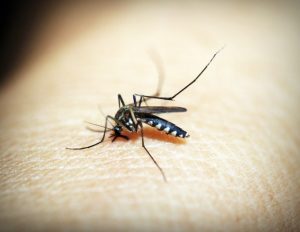
Malaysia continues to fight an uphill battle against the threat of dengue fever as the number of infection cases rises to unprecedented levels at an alarming rate.
From January 1st to May 25th of this year, cases went up by 34.3% to 62,107, significantly higher compared to the 46,257 in the same period in 2023. Last year, also saw cases nearly double in number to 123,133 compared to 66,102 in 2022. (Source: The Star)
Fortunately, Malaysia’s defence against dengue fever with the launch of Qdenga, the country’s first approved vaccine against the disease. Takeda Malaysia’s new dengue tetravalent vaccine (live attenuated) is lauded by Malaysian medical experts as a welcome breakthrough in the war against this deadly disease.
Before you consider taking it, though, here’s everything you need to know about the Takeda dengue vaccine, Malaysia.
What is Dengue fever?
Dengue fever is a disease caused by the Dengue virus (DENV), a mosquito-borne flavivirus. It is widespread in tropical or sub-tropical regions, being especially common in Southeast Asian countries like Malaysia.
The earliest dengue warning sign is an intense fever — 104 F (40 C) — usually beginning within 3–14 days after you’ve been bitten by an infected mosquito. This fever will usually subside 3-7 days after the other symptoms of dengue fever manifest.
The symptoms of dengue fever include the following:
- High fever
- Rash on the body that may disappear and reappear
- Headaches
- Muscle aches and joint pain
- Eye pain, especially behind the eyes
- Nausea and vomiting
- Anorexia
These dengue fever symptoms may not, however, show up, especially in children and those with no history of having dengue infection.

While most people can recover from dengue fever, in some cases, the symptoms will worsen and become life-threatening. This is called severe dengue, dengue hemorrhagic fever or dengue shock syndrome.
Severe dengue occurs when your blood vessels become damaged, resulting in internal bleeding and plasma leakage as the number of clot-forming cells (platelets) in your bloodstream drops.
Severe dengue warning signs will usually appear the first day or two after your fever subsides and may include:
- Abdominal pain
- Bleeding from the nose, gums and/or mouth
- Black vomit and/or blood stools, which is a sign of internal bleeding
- Small but noticeable blood spots under the skin that might look like bruising
- Weak pulse
- Difficult or rapid breathing
- Fatigue
- Irritability or restlessness
As these symptoms worsen, it can eventually lead to shock, organ failure and even death.
Which Dengue vaccine is currently available in Malaysia?
Prior to Qdenga, there was no dengue vaccine that was approved for usage in Malaysia. Dengvaxia was one of the first dengue vaccines to be developed.
The vaccine was first approved for usage in Mexico in December 2015. Since then, the vaccine has been used in 14 other countries, including Singapore, the Philippines, Thailand and Indonesia.
As of 2020, the Malaysian government has not yet fully approved the use of Dengvaxia in this country.
What is Takeda (Qdenga)?
Qdenga is a vaccine created by Takeda, a pharmaceutical company that works towards better health for patients through research. Their ethical drugs are marketed to around 100 countries worldwide.
Takeda’s Qdenga (TAK-003) is based on a live-attenuated dengue serotype 2 virus, which provides the genetic “backbone” for all four dengue virus serotypes. Since TAK-003 is based on an attenuated form of the dengue virus itself, it exposes the individual to several components of the virus, which Takeda hopes will trigger a more robust immune response against all four forms of the dengue virus.
What is the efficacy of the Takeda dengue vaccine?
Takeda’s Qdenga displayed promising results throughout its clinical trials, having successfully prevented 80.2% of symptomatic dengue cases at 12 months after vaccination, and 90.4% of hospitalisations at 18 months after vaccination.
After a period of four and a half years, the latest available data displayed the vaccine’s efficacy at 84.1% against hospitalisation and 61.2% against symptomatic cases, which is still reasonably good.
Notably, the vaccine’s efficiency differed among the dengue virus serotypes. The vaccine was reported as 73.7% effective against dengue serotype 1, 97.7% effective against serotype 2 (which is the dominant dengue virus strain in Malaysia) and 62.6% effective against serotype 3. The investigators didn’t follow enough serotype 4 cases to reach viability (Source).

When should I get the Takeda dengue vaccine?
Qdenga is best taken if you do not have any prior dengue fever infections. The vaccine is taken in two doses, three months apart, via an injection, and can be safely administered to individuals four years of age and above.
Takeda (QDenga) vs Dengvaxia
Takeda and Dengvaxia both serve a similar purpose in preventing infections by the dengue virus but are different vaccines at their core.
One of the chief advantages that Takeda has over Dengvaxia is that it can be administered to a wider range of people, being safe for those aged four and older, including senior citizens as well as those who have yet to contract the disease. This also makes Takeda suitable as a travel vaccine especially for tourists coming in from non-dengue afflicted countries.
Dengvaxia, by contrast, is only approved for people between 9 and 45 years of age who have a documented history of dengue fever or who have had a blood test that shows previous infection with one of the dengue viruses. As such, children who are 9 years old or younger are not eligible for this vaccine, as it will act as their first infection. If this group contracts dengue at a later date, the infection is likely going to progress into a severe illness.
While Dengvaxia is administered in three doses, six months apart (at 0, 6, and 12 months), Takeda is administered over a comparatively shorter period, requiring only two doses, three months apart.
What are the side effects of the Takeda dengue vaccine?
Some common side effects of taking the Takeda dengue vaccine are:
- Injection site pain, swelling, redness, bruising and itchiness
- Headache
- Joint and muscle pain
- Generally feeling unwell
- Weakness
- Infections of the nose or throat
- Inflammation of the throat and tonsils
- Fever
Who should not get a Dengue vaccine?
The following should not get the Takeda dengue vaccine due to potentially dangerous side effects:
- Pregnant mothers
- Children with weakened immune systems (immunocompromised)
- Children who have had a severe (life-threatening) allergic reaction to a previous dose of the vaccine.
- Children who have a severe (life-threatening) allergy to any ingredient in this vaccine.
Where can I find the Takeda Dengue vaccine near me in Malaysia?
Malaysians hoping to get vaccinated with Takeda should visit the following places where vaccinations are being conducted:
- Pharmacies
- Workplaces
- Community health clinics
- Public/government hospitals
- Health departments
- Other community locations, such as schools and religious centres
When receiving any vaccine, ask the provider to record the vaccine in the state or local vaccine registry, if available. This ensures that providers will know what vaccines you or your child have already received during future visits.
The Future
Dengue fever is a dangerous disease responsible for 41,565 cases and 28 fatalities in the first quarter of this year. Indeed, it has been listed as one of the biggest health hazards of this century by WHO. The approval of Takeda Qdenga as a new dengue vaccine is, thus, a welcome addition to Malaysia’s efforts to combat this deadly illness.